








“People keep asking if I’m tired.” If I had a dirham for every patient who has said those words in my consultation room, I could retire tomorrow. It is, by far, the sentence I hear most often. And usually it isn’t true. My patients aren’t tired. Their eyelids are simply telling a different story from the one they feel inside.
That is what blepharoplasty is really about. In my experience it is rarely vanity. It is about making the face in the mirror match the energy you actually have.
What patients ask for
The requests tend to fall into two groups. Upper eyelid patients describe heaviness. Loose skin folds over the crease, eyeshadow disappears into it, and by the evening the lids feel weighed down. For some, the hooding even starts to crowd their field of vision. Lower eyelid patients come to me about bags and puffiness that no amount of concealer, sleep or cold spoons will shift.
Many want both corrected together. And almost every one of them says the same thing: “I don’t want to look done.”
Eyelid surgery is a relatively quick procedure with minimal downtime, and most patients can expect to recover within approximately one week and return to their normal daily activities.
Natural is the brief
I couldn’t agree more. The eyes are the most expressive part of the face. Change them too much and you change the person. So my approach is to remove or reposition only what is needed, respect the natural shape of each eye, and place incisions in the natural crease of the upper lid or just beneath the lower lashes, where they settle discreetly.
The best compliment after eyelid surgery isn’t “What have you had done?” It’s “You look well. Have you been on holiday?”
Why Dubai, why now
Dubai lives on camera. Video calls, social media, ring lights, endless photos: we see our own faces more than any generation before us, so people notice changes around the eyes earlier.
Many of my patients have already tried injectables. Botox and fillers are excellent tools, but they cannot remove excess skin, and too much filler under the eyes can sometimes add to the puffiness people want gone. When someone tells me they feel they have run out of non-surgical options, that is often the moment surgery makes sense.
It isn’t for everyone
A good consultation matters as much as good surgery. I look at the skin, the fat, the muscle, the brow position and the patient’s general health, and I listen carefully to what is bothering them. Sometimes the honest answer is that a brow is the real issue, or that surgery isn’t the right step yet. Realistic expectations make for happy patients.
When it is the right step, the change can be quietly remarkable. Not a new face, just a fresher, more rested version of your own. After all these years, that is still my favourite part of the job.
About the author
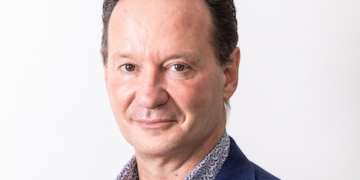
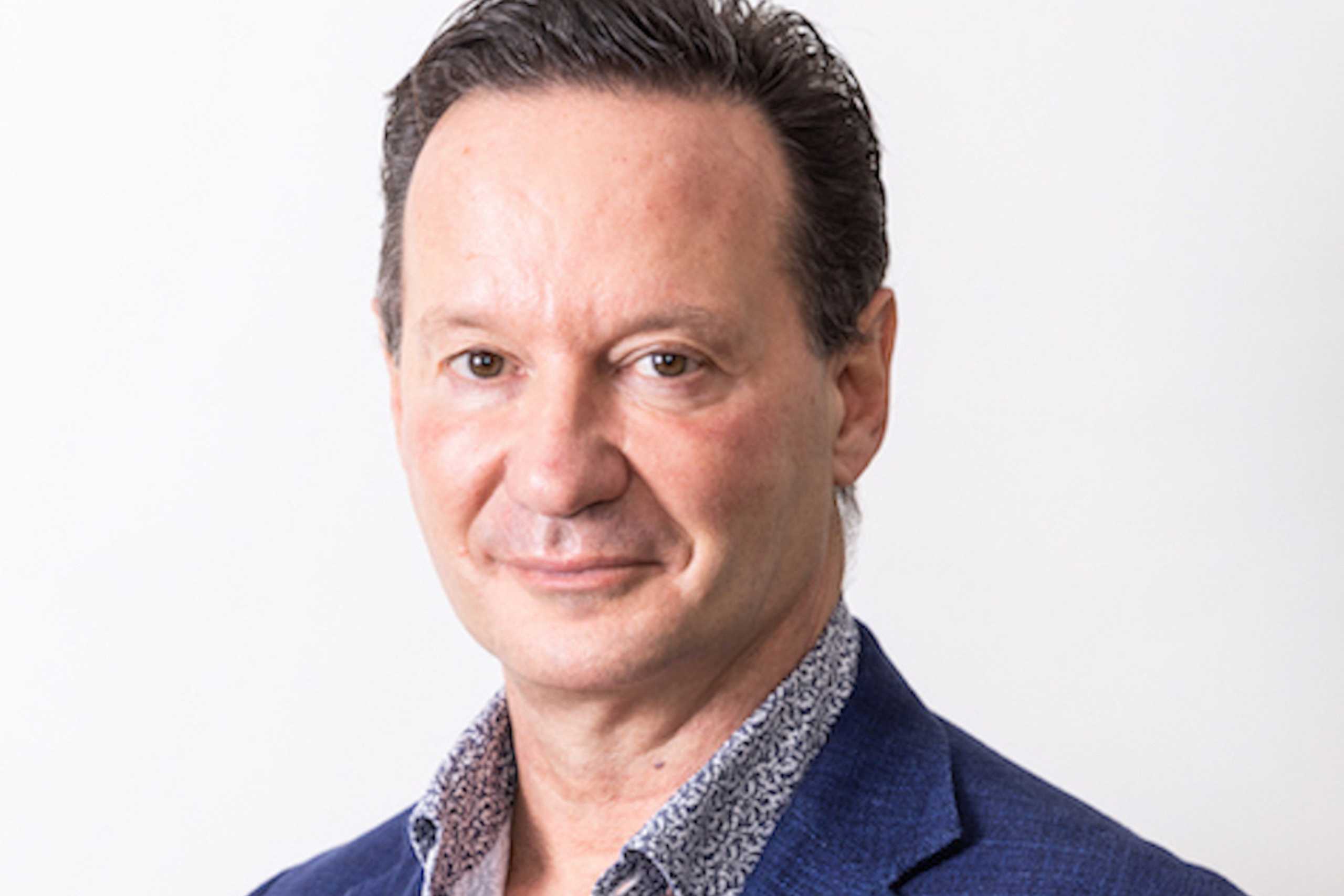
Dr Maurizio Viel is an Italian plastic surgeon with more than 30 years of experience. He has performed thousands of upper and lower blepharoplasties and has been based in Dubai since 2008. He practises at Cornerstone Clinic, Grosvenor House, Dubai Marina.


